
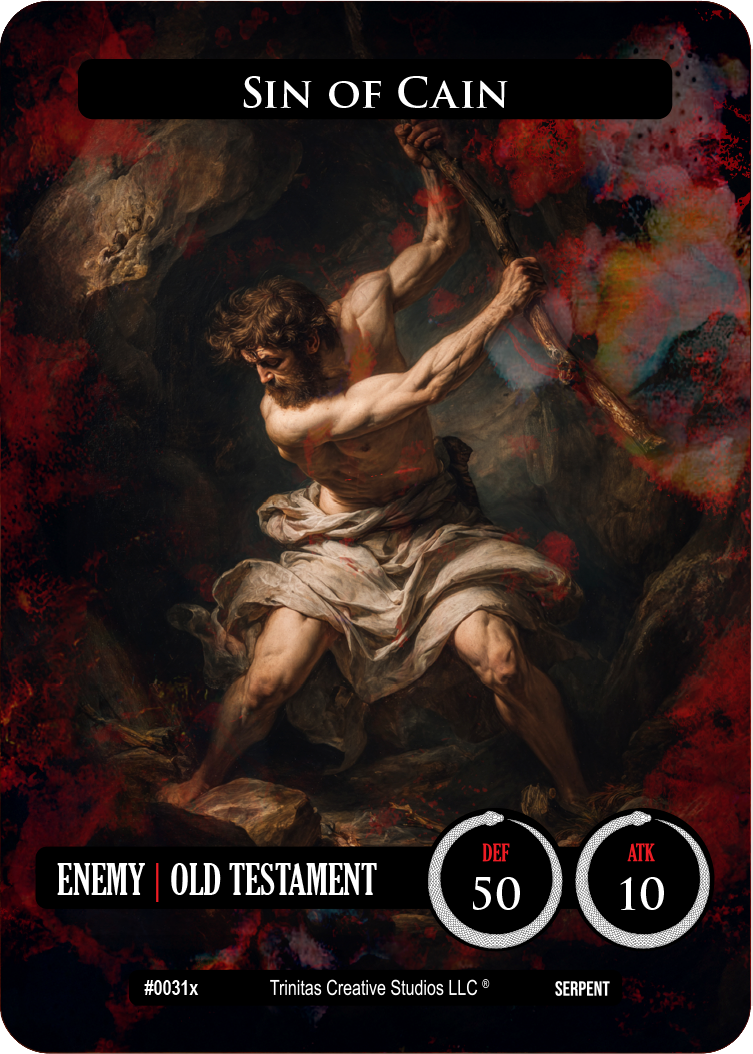
“Cain was the firstborn son of Adam and Eve. His life illustrates the destructive power of
sin and the need for divine mercy. Cain and his brother Abel both offered sacrifices to
God, but Abel’s was accepted while Cain’s was not, due to the disposition of his heart.
Consumed by envy and anger, Cain committed the first murder by killing Abel, violating
God’s command and fracturing fraternal love. This act is considered a grave sin, rooted
in pride and jealousy, which led to further alienation from God. After the crime, God
confronted Cain, who responded with defiance: “Am I my brother’s keeper?” This
highlights his lack of repentance and responsibility. As punishment, Cain was cursed to
wander the earth, though God marked him to protect him from vengeance—signifying
divine justice tempered by mercy. Cain’s story is a warning against unchecked passions
and the refusal to seek forgiveness. His life underscores the reality of sin’s
consequences and the enduring call to conversion and reconciliation with God.
Cain’s story connects to several of the Seven Deadly Sins, which Catholic teaching
identifies as root vices leading to other sins:
1. Envy – Cain’s jealousy of Abel’s accepted offering is the primary catalyst for his
crime. Envy distorts love and leads to resentment toward others’ blessings.
2. Wrath – His anger toward God and Abel escalates unchecked, culminating in
murder. Wrath blinds reason and fuels violence.
3. Pride – Cain’s refusal to accept God’s judgment and his defiant response (“Am I
my brother’s keeper?”) reveal pride—a rejection of humility and accountability.
4. Sloth (spiritual) – Before the murder, God warns Cain to master sin, but he
neglects this spiritual effort. Sloth here is a failure to act rightly when prompted by
grace.
Cain’s story illustrates how envy and pride can dominate the heart, leading to grave sin.
Catholic tradition uses Cain as a cautionary example: unchecked vices corrupt the soul,
fracture relationships, and separate us from God. His life urges vigilance against these
sins and openness to grace for conversion.”
Illustration by: Colton Rompala